
AI generated image by Sora
## What Are Credits? Each action you perform—like checking for HTML or accessibility (A11Y) issues—costs a certain number of credits. When you sign up, you get **100 free credits** to start validating right away. ## Actions and Their Costs Here's a quick overview of how credits are used: - **HTML check**: 1 credit per page - **A11Y check**: 1 credit per page - **Dynamic crawling**: 1 credit per page - **Raw issue storage**: 1 credit per type (HTML or A11Y) per page If you validate a 100-page site with both HTML and A11Y checks, that would use 200 credits (100 for each type of check). Enabling raw storage for both would add another 200 credits. ## Dynamic Crawling and Raw Storage By default, Rocket Validator uses a free Static Crawler to find internal links. You can optionally enable the [Dynamic Crawler](https://rocketvalidator.com/blog/dynamic-crawler-for-javascript-sites) to handle JavaScript-based sites—just note it costs 1 credit per dynamically crawled page. Likewise, storing raw HTML and A11Y issues is optional and useful for advanced use cases via the API. This storage also consumes 1 extra credit per stored raw check. ## Running Out of Credits? If you run out of credits, you'll need to wait for a recharge before launching new validations. You can get more credits by: - **Subscribing to a plan**: Weekly or monthly, depending on what works best for you. - **Using a guest account**: If you're a guest of another user, you'll get monthly credits up to your allowed quota. Check the [pricing page](https://rocketvalidator.com/pricing) for subscription options. ## New: Credit Count in the Side Menu To make things easier, **you can now see your remaining credits right in the Rocket Validator side menu**. No need to dig through your account settings—just glance at the menu and you’ll know exactly how many credits you have left.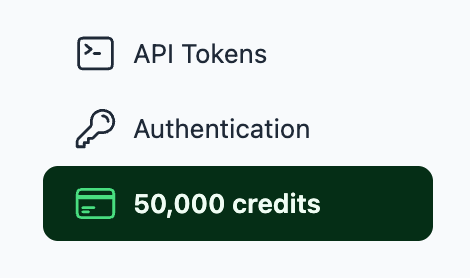 [Read the docs about Credits](https://docs.rocketvalidator.com/credits/)
Stay on top of your usage and make the most of your validations with Rocket Validator’s flexible and transparent credit system.
Happy validating!
[Read the docs about Credits](https://docs.rocketvalidator.com/credits/)
Stay on top of your usage and make the most of your validations with Rocket Validator’s flexible and transparent credit system.
Happy validating!